The Egyptian Museum, Tahrir
Two and a half hours if you head straight for the second-floor jewellery rooms. The basement turns humid on rainy days. The left desk sells the camera permit without the main queue.
Every guide in the base is a living document, not a one-off article. It is walked by a volunteer who buys an ordinary ticket, written in plain language, checked against a running register of facts, and revisited on a maintenance cycle so it does not quietly go stale. Nothing is sponsored, nothing is comped, and the verdict is whatever the volunteer actually found on the ground.
A volunteer visits with a normal ticket, queues like anyone, and notes the things the official signage leaves out — the queues, the side door, the room worth the hour, the real cost once supplements are added.
The guide is structured the same way every time — hours, ticket breakdown, verdict, side door, maintenance date — so you can find what you need in seconds on a phone at the gate.
Every fact — opening hours, ticket prices, named places — is verified against a shared register before the guide goes live, and again at every revisit, so the base stays internally consistent.
Busy sites are re-walked each season, quieter ones twice a year. Closures and price changes are merged within a week, and any reader can flag something out of date through the write-in page.
A slice of the open base, revisited during the spring 2026 cycle. Each guide on the live base carries the current opening hours, a ticket breakdown in Egyptian pounds and a paragraph from the volunteer who walked it. The previews below lead to the full guides in the relevant section.

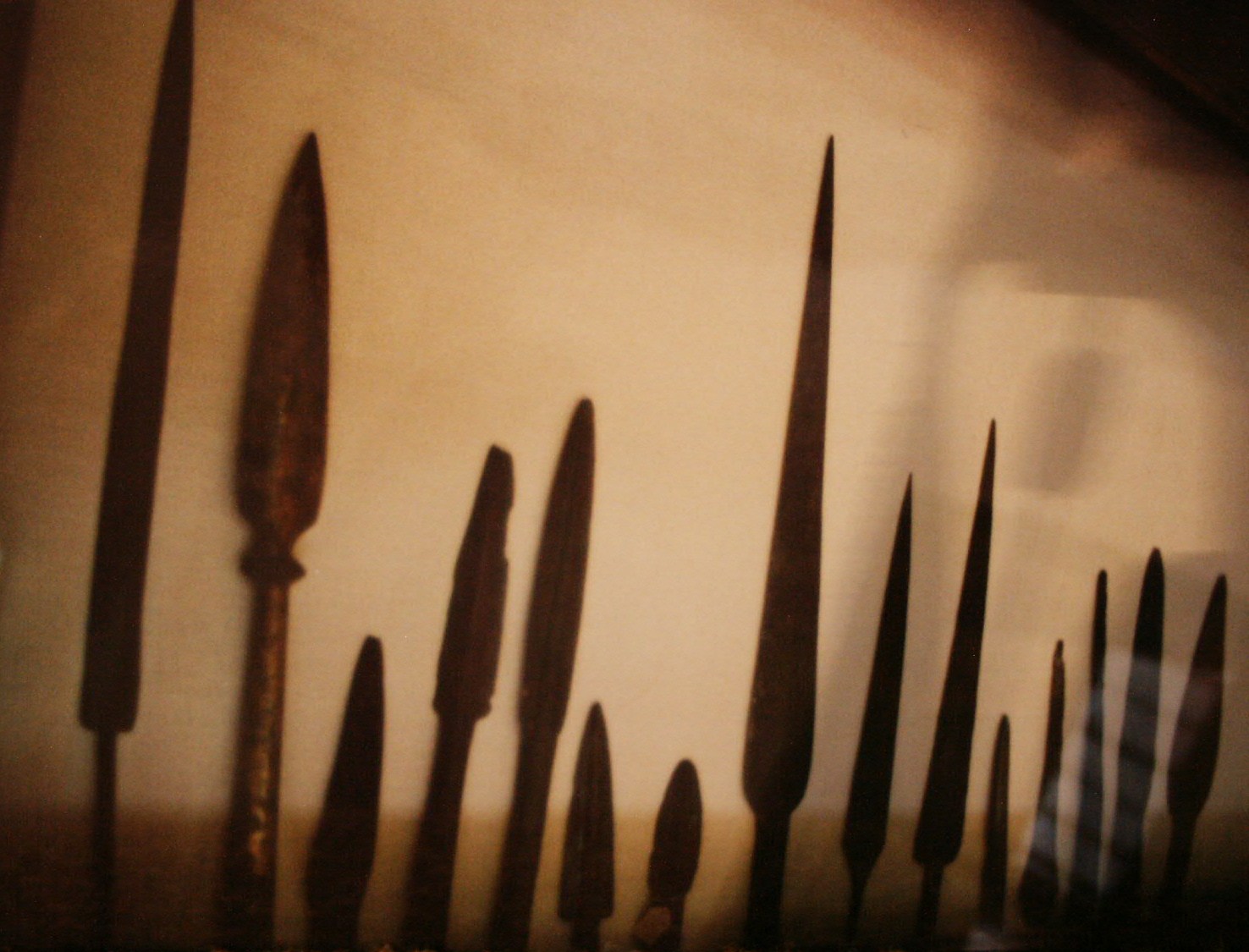
Two and a half hours if you head straight for the second-floor jewellery rooms. The basement turns humid on rainy days. The left desk sells the camera permit without the main queue.

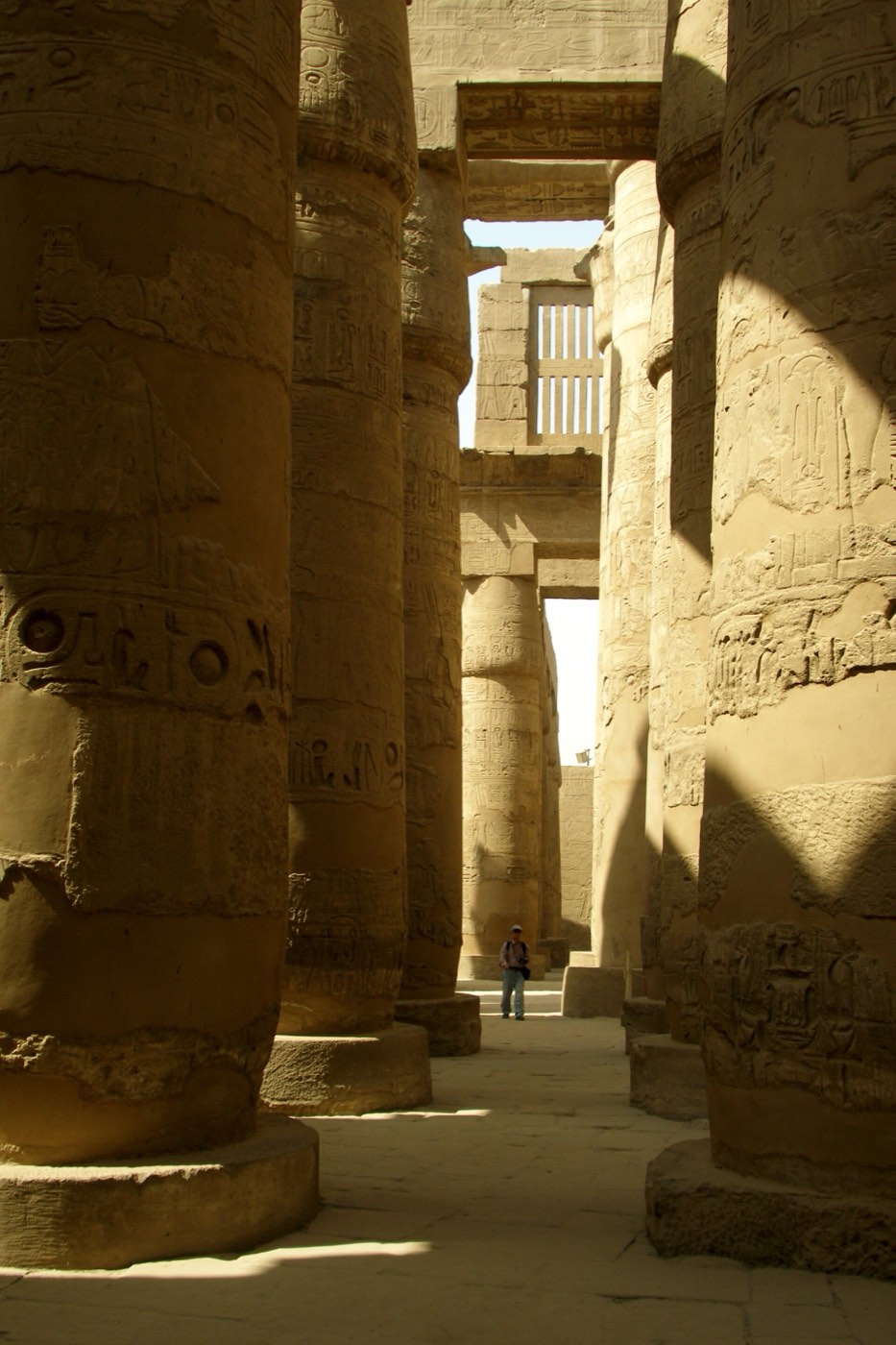
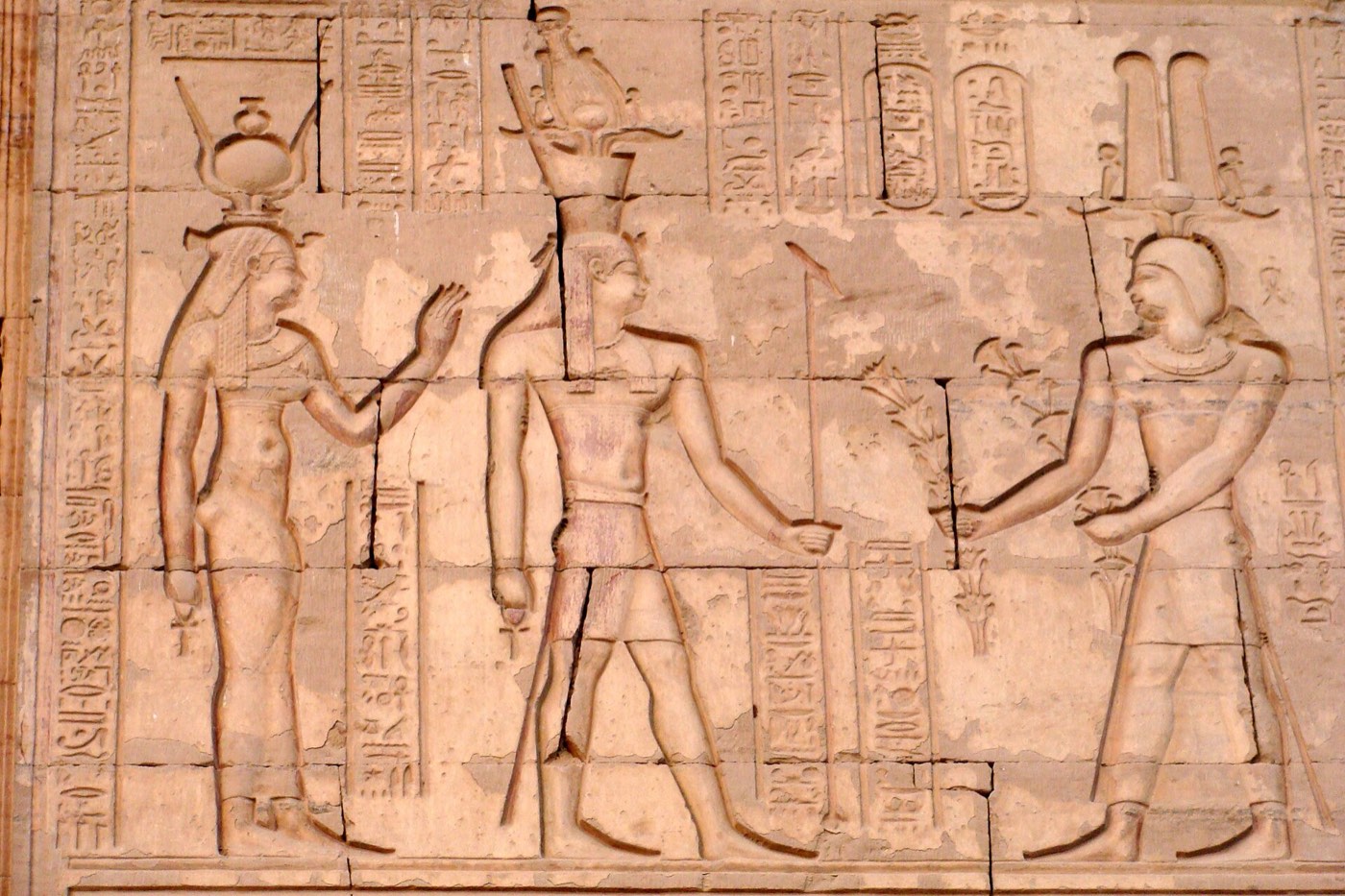
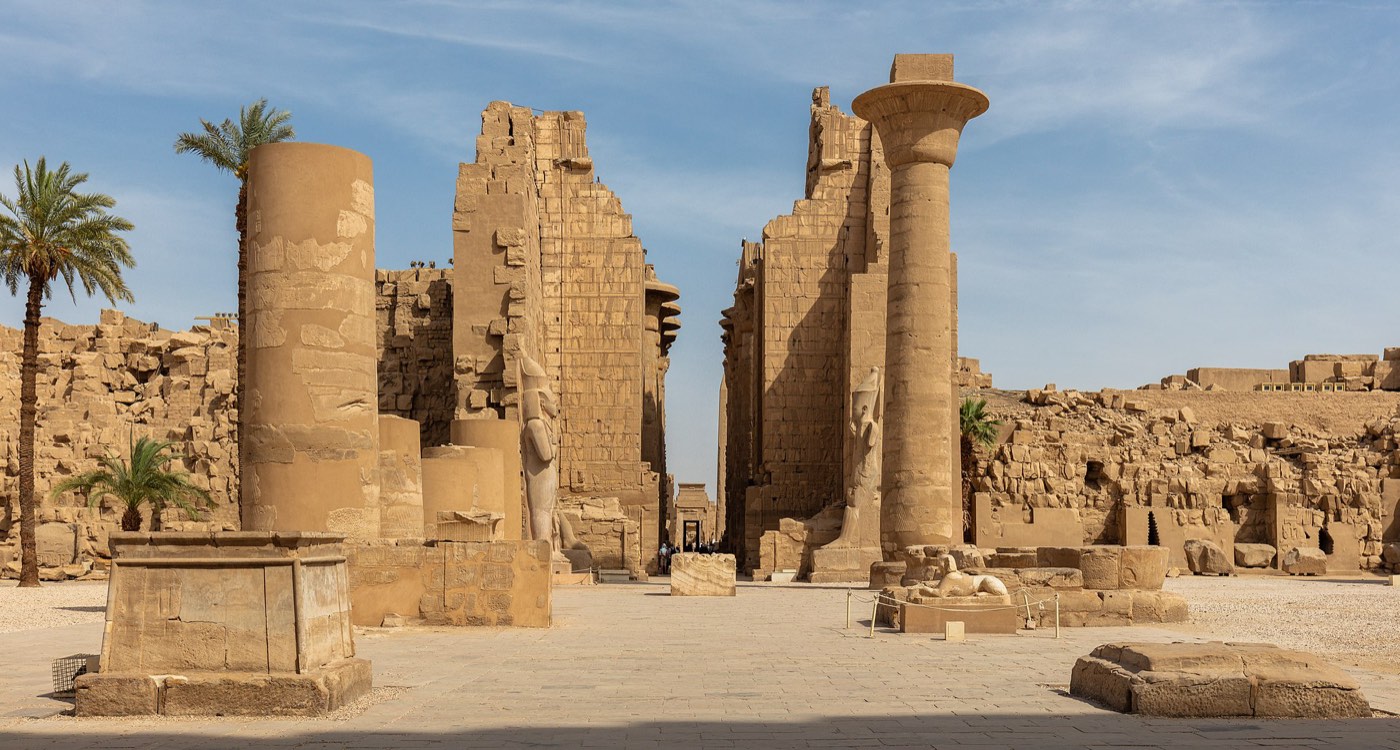
Arrive at 06:45 and the Hypostyle Hall is empty for forty minutes. The open-air museum near the inner enclosure has a small separate ticket and is easy to miss; it is worth it.

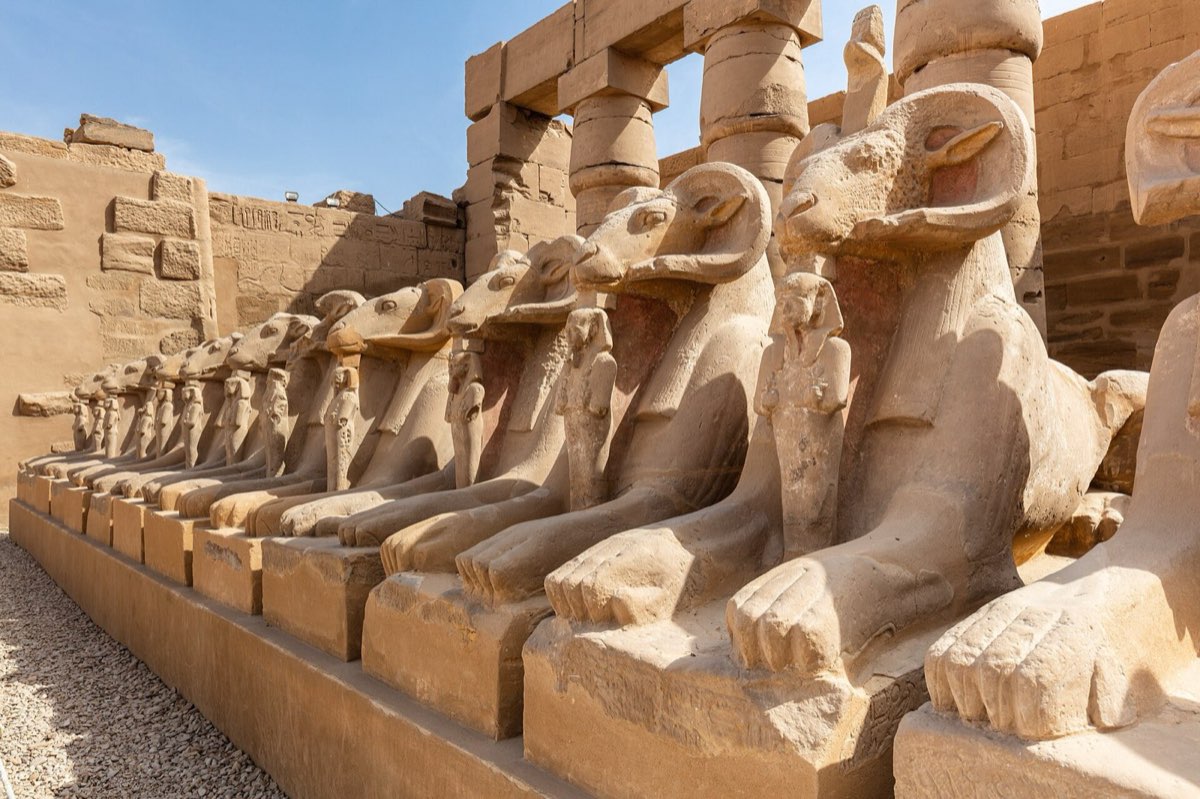
Best after dark, between 18:30 and 20:00, when the columns are lit. The combined Luxor + Karnak ticket saves about a third. Avoid the open courtyards at midday in summer.

The general ticket covers three tombs. Pay the supplement for Seti I; skip the one for Tutankhamun — the chamber is small and the photos you've seen are better than the visit.

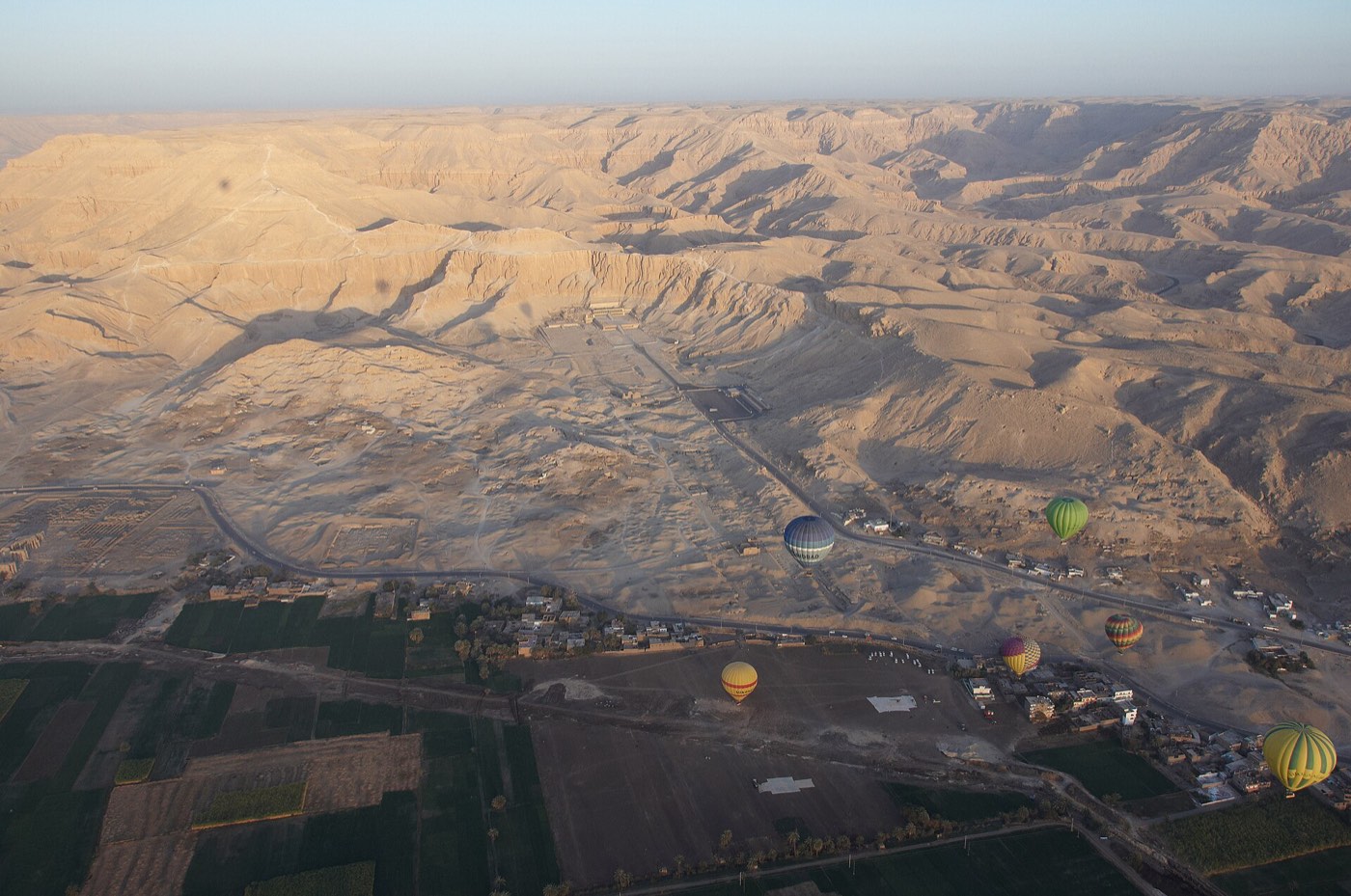
Almost no shade. Visit before 09:00 or after 16:00. Pay the small shuttle fee from the gate — the walk is unpleasant in any season. The Punt relief on the middle terrace is the highlight.

The boat ride from Marsa is part of the value; agree the fare first. Late-afternoon light at 16:00 flatters the carvings. The southern landing has cheaper boats than the front jetty.

The 04:00 road convoy from Aswan is still cheaper than a flight and gives you ninety minutes on site. Both temples fit easily — don't skip the smaller Nefertari temple. Bring a hat.

The most undervisited major site on the west bank. The Sea Peoples relief on the outer enclosure is the most complete battle scene in Egyptian art, and the wall colour survives better than at Karnak.

The double temple of Sobek and Horus, best at sunset. The small crocodile museum next door is included in the ticket. Reachable independently by train and taxi if you're not on a cruise.

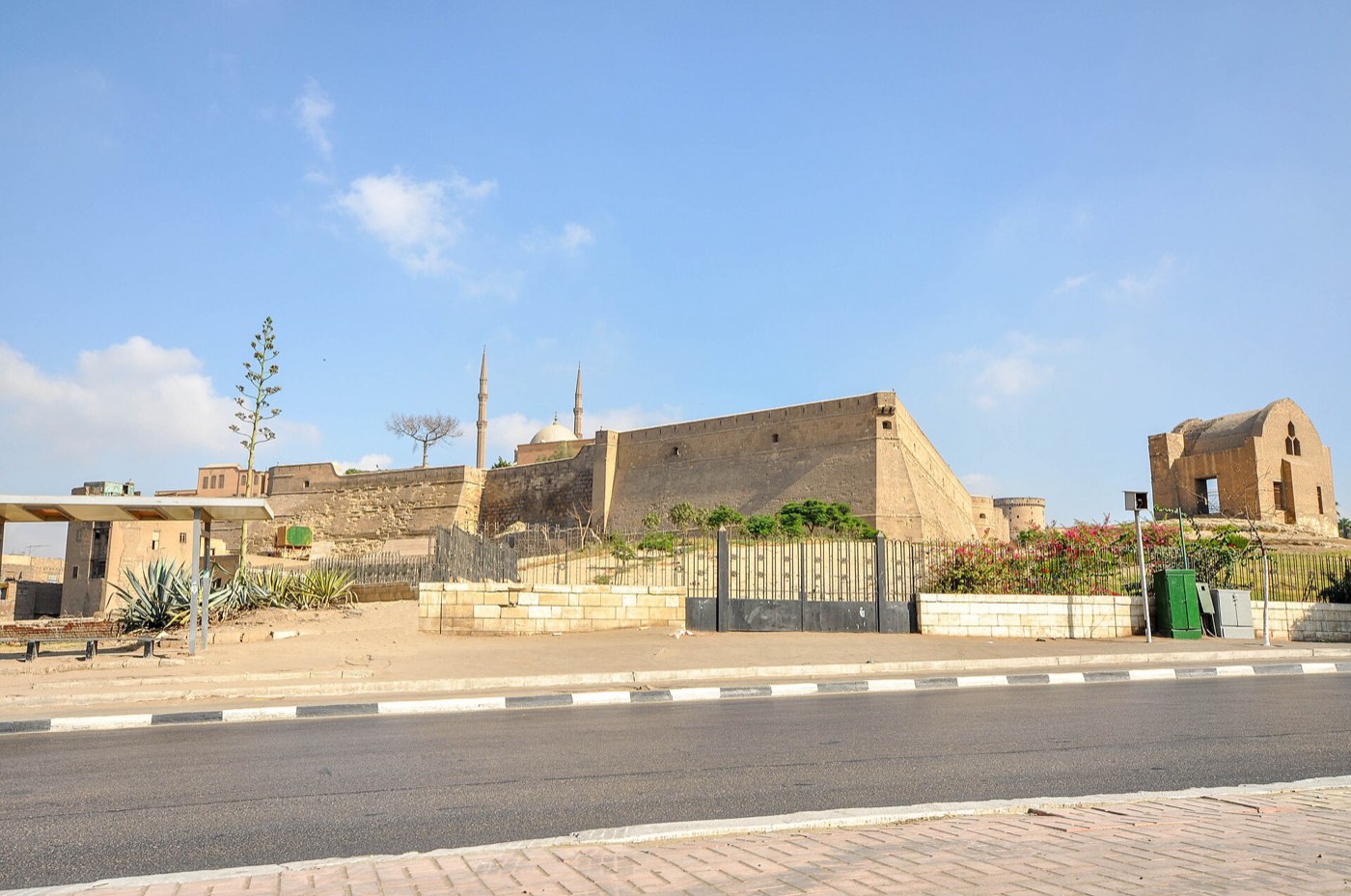
The combined ticket covers the Citadel, the Alabaster Mosque and two museums. Three hours. Skip the Carriage Museum unless it's raining. The rear entrance on Salah Salim avoids the bus drop-off.

For a one-hour felucca, negotiate at the southern landing — the rates are lower than at the Winter Palace dock. The sunset crossing to Banana Island is the better photograph.
The base is large enough to be daunting, so every guide is filed into seven sections, each answering a specific question a visitor actually has. You do not need 124 guides for a three-day trip; you need the handful that match your mornings and the couple that solve your afternoons. The sections do that sorting. All of them are open — no account, no paywall, no hidden tier.
The major museums in Cairo, Alexandria, Luxor and Aswan — what each ticket includes, the room worth your hour, the side door that skips the queue.
The pyramids, temples and valleys — the practical visit information and the best window of the day to dodge the heat and the buses.
Worked one-day and multi-day plans for Cairo, Luxor, Aswan and Alexandria, timed in real minutes with named lunch stops and honest transfer times.
Neighbourhood and region files — Coptic Cairo, Islamic Cairo, the Khan, the Citadel, the Luxor corniche, Aswan as a river city.
The practical pre-trip basics — visa, SIM, money, taxis, dress code, water, tipping, useful phrases. Re-checked twice a year.
Month-by-month notes on weather, crowds, closures, the cruise season and the dust-storm window — so you pick the right weeks.
Guides re-tagged for families — which museum has interactive rooms, which site has shade, which restaurant near each site has a children's menu.
Yes. Every guide is open to read, with no account, no paywall and no advertising. Quick4Pass is volunteer-maintained and covered by a small transparent fund described on the open & free page. We sell nothing, take no commission on bookings, and run no sponsored content. The only thing we ask is that you flag a guide when it goes out of date.
No. Quick4Pass is not a tour operator, not a ticket reseller and not a booking agent. It is an open knowledge base maintained by volunteers. When a guide recommends something — a felucca landing, a restaurant near a museum — the recommendation is unpaid and the named business has no relationship with us.
Every guide is dated. We re-walk the busy sites each season and the quieter ones twice a year. Closures, price changes and restorations are merged within a week. The maintenance date sits at the foot of every guide, and readers can flag anything out of date through the write-in page.
A small group of Cairo-based volunteers — a former museum educator, a licensed Luxor guide, a translator and a librarian. None of us is paid by a tour operator or a hotel. We started the base in 2021 because the free information about visiting Egypt was either thin and stale or stuffed with affiliate links, and we wanted an open, honest middle.
Yes — and the most useful contribution is information. If you've just visited a site and something has changed, write in and we'll update the guide with your observation credited or anonymous, your choice. We also welcome volunteers based in Egypt who can re-walk sites; the write-in page is the way to reach us.
Planning museums? Start with Museum Guides. Heading south? Open-Air Guides. Travelling with kids? Family Mode. Everything in the base is free.
Open the base